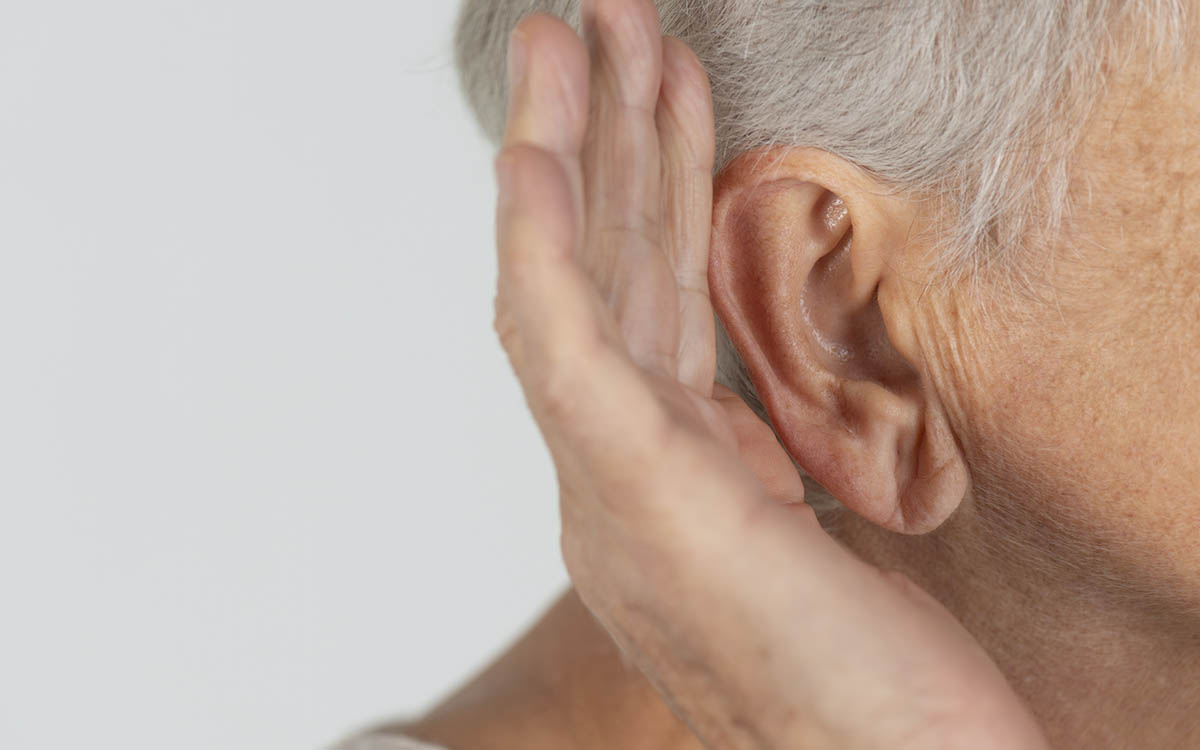
While many individuals correlate hearing loss to the aging process, though for a significant portion of the population, ear injury manifests significantly sooner. As one of the most prevalent and avoidable types of auditory impairment, noise-induced hearing loss typically progresses slowly, escaping notice until it becomes a permanent condition.
Comprehensive knowledge of how chronic noise exposure affects the ears is essential for implementing safeguards before significant hearing loss occurs.
The Clinical Mechanisms of Noise-Related Acoustic Injury
This form of hearing loss is precipitated by excessive acoustic energy damaging the fragile internal structures of the auditory system. Data from the CDC indicate that, acoustic levels surpassing 85 decibels can induce ear damage following repeated or lengthy exposure. Higher intensity sounds, including those generated by machinery, music venues, or firearms, may result in immediate damage.
Within the cochlea are specialized sensory structures referred to as hair cells. These cells convert sound vibrations into electrical signals that your brain interprets as sound. Because hair cells cannot repair or replace themselves once damaged, hearing loss resulting from noise is generally a permanent physiological state.
Analyzing the Advancement of Auditory Impairment
One of the most concerning aspects of noise-induced hearing loss is that it often develops slowly. Early-stage symptoms resulting from noise exposure often include:
- Temporary ringing or buzzing in the ears (Tinnitus)
- Sensations of dampened or muffled auditory perception following noise exposure
- Challenges involving speech comprehension within high-noise settings
These early warning signs may fade, leading people to assume their hearing has “recovered”. In fact, chronic noise exposure causes ongoing trauma to inner-ear anatomy, slowly reducing hearing clarity and sensitivity over time.
Statistics from the HLAA suggest that 48 million Americans have some form of hearing loss, often without realizing the cause.
Frequent Environmental Sources contributing to Hearing Loss
In our modern environment, individuals often develop a tolerance or desensitization to high-volume sounds. For this reason, many people are surprised to learn how common harmful noise exposure is.
Identified hazardous sources may include:
- Venues featuring high-decibel live music
- The use of headphones at unsafe volume settings
- Lawn equipment, power tools, and motorcycles
- Occupational noise exposure within the construction or manufacturing sectors
Since these noises are integrated into daily routines, cumulative damage often occurs without immediate clinical indicators.
Implementing Prophylactic Measures in Auditory Health
A distinguishing factor of noise-induced hearing loss is the lack of clinical reversal options. The condition is, however, susceptible to effective preventative strategies. Simple protective habits can significantly reduce risk, including:
- Using earplugs or noise-reducing earmuffs in loud environments
- Lowering headphone volume and following the “60/60 rule”
- Incorporating auditory rest periods to allow for physiological recovery
- Ensuring consistent Audiology check-ups for those in high-noise environments
Professional Benchmarks for Consulting Audiology Services
Should you experience persistent Tinnitus or a decline in conversational understanding, a professional evaluation is indicated. Early intervention through an Audiologist allows for the monitoring and implementation of essential protective measures.
Implementing protective measures today safeguards your auditory capacity for the years ahead. Noise may be unavoidable, but hearing loss doesn’t have to be!. Contact us to coordinate a comprehensive evaluation and ensure your auditory system is functioning at its peak.