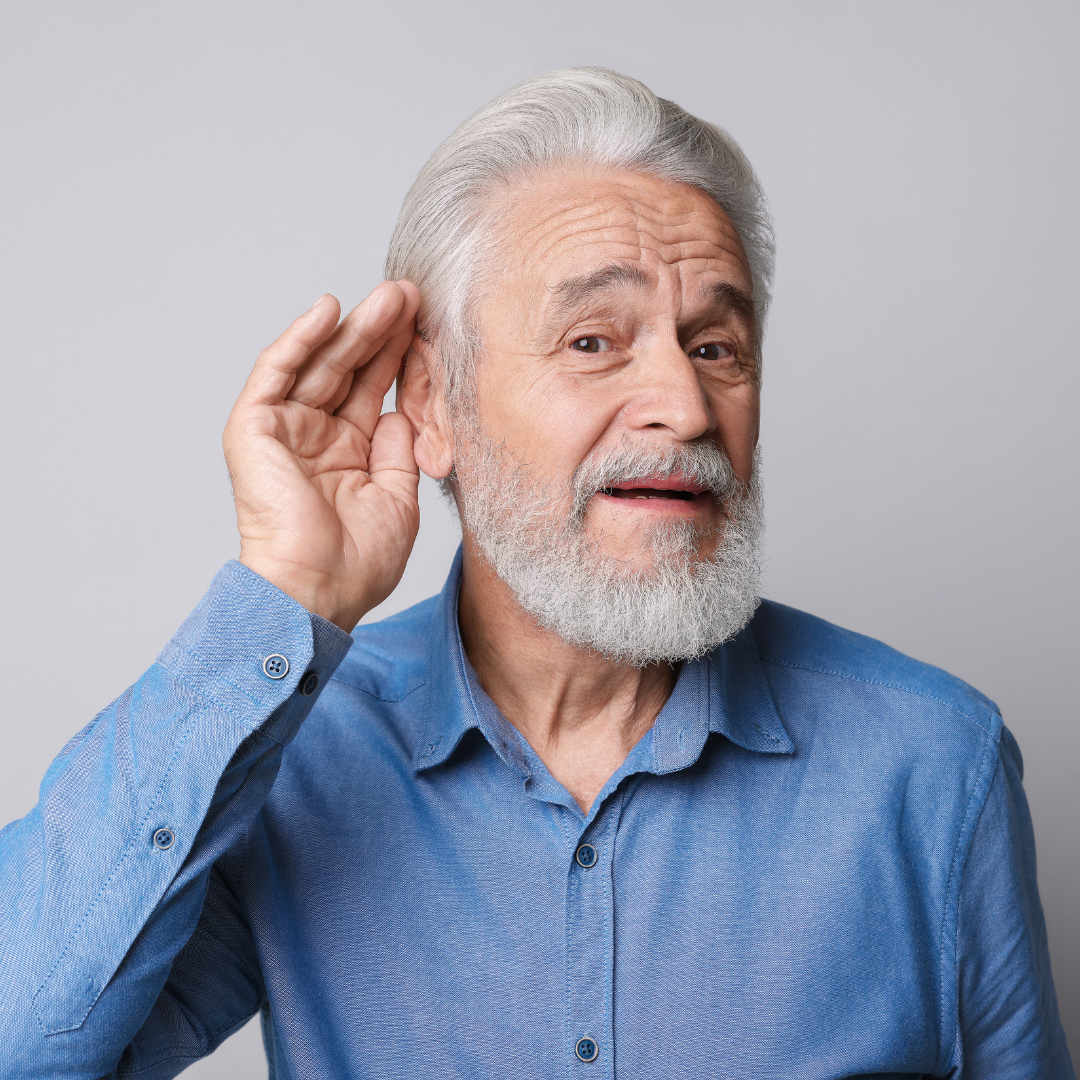
A sudden drop in hearing in one ear can be frightening and may leave those experiencing it unsure of their next steps. Our practice can provide urgent hearing testing and help coordinate appropriate medical care when a rapid change occurs. An acute sudden hearing loss consistently necessitates immediate examination by a hearing professional to begin medical therapy or targeted hearing rehabilitation.
Understanding Sudden Hearing Loss as a Time-Sensitive Emergency
Absolutely. A sudden hearing loss affecting one ear must be addressed as a true medical emergency, especially if it unfolds across hours or several days. Sudden sensorineural hearing loss, sometimes called sudden deafness, involves the inner ear or the nerve pathways that carry sound to the brain. It standardly presents without physical discomfort, often being erroneously dismissed as simple earwax impaction or sinus congestion.
Typical warning signs include:
- A sharp, noticeable drop in auditory volume or speech clarity in one ear
- Struggling to decipher telephone conversation when holding the receiver to the affected ear
- Sensation of an internal ear pop or mounting aural pressure right before hearing diminishes
- The abrupt emergence of ringing, static buzzing, or roaring tinnitus on the affected side
- Onset of rotational vertigo, postural instability, or general disequilibrium
Refrain from waiting for spontaneous recovery to restore your hearing acuity. Seek same-day diagnostic guidance from our practice, an urgent care physician, or an otolaryngology specialist.
Why Sudden Sensorineural Hearing Loss Demands Fast Evaluation
Early evaluation matters because treatment for sudden sensorineural hearing loss is generally most useful when it begins promptly. We must immediately determine if the loss is conductive—stemming from earwax blockage or middle-ear pathology—or sensorineural, signifying inner ear or neural involvement. These conditions can feel similar but require different care.
A thorough physical ear inspection combined with a diagnostic hearing test isolates the exact type, audiometric shape, and severity of the loss.
Obtain urgent emergency medical evaluation without delay if sudden hearing loss is accompanied by:
- Unilateral facial paralysis, localized weakness, or facial numbness
- Dysarthria (slurred speech), acute cognitive confusion, or an atypical, severe headache
- Unexplained diplopia, syncopal episodes, or severe physical difficulty walking
- Chest pain or other signs of a medical crisis
These symptoms may indicate a neurological or vascular emergency and should not be evaluated through a routine appointment.
Pathophysiological Causes of Sudden Sensorineural Hearing Loss
For the vast majority of patients with sudden sensorineural hearing loss, the exact etiology remains idiopathic. If an underlying cause is identified, it typically entails tissue inflammation, physical injury, microcirculatory failure, autoimmune disease, or specific cochlear nerve disorders.
Potential causes include:
- Systemic or localized viral and bacterial infections
- Head trauma or exposure to an intense sound
- Underlying autoimmune conditions attacking cochlear tissue
- Medications that can damage the inner ear
- Problems involving blood flow
- Peripheral inner ear pathologies such as classic Ménière’s disease
- Neurodegenerative or demyelinating disorders such as multiple sclerosis
- A vestibular schwannoma (acoustic neuroma) developing on the vestibulocochlear nerve
Since presenting signs do not confirm the specific etiology on their own, obtaining a prompt examination and diagnostic audiologic testing is essential.
Evidence-Based Therapies for Sudden Sensorineural Hearing Loss
Corticosteroids are widely prescribed as the cornerstone medical treatment for idiopathic sudden sensorineural hearing loss. Providers may prescribe oral systemic steroids or deliver local intratympanic injections through the eardrum, targeting the inner ear directly. Clinical treatment pathways are determined by our specialists based upon presentation timing, loss magnitude, underlying health status, active prescriptions, and risk factors.
Steroids are typically administered within the first two weeks of onset, making it critical to begin medication as early as medically appropriate. Intratympanic steroid injections may also be recommended as salvage treatment when recovery is incomplete. In select patient profiles, your physician may review hyperbaric oxygen therapy integrated with systemic corticosteroid protocols.
Can Sudden Unilateral Hearing Loss Resolve Spontaneously?
A sudden sensorineural hearing loss may occasionally resolve on its own without pharmacological treatment. Roughly half of individuals with the condition experience spontaneous partial or complete auditory recovery, primarily during the initial two-week period. However, there is no reliable way to know at the beginning who will recover, how much hearing will return, or whether the improvement will last.
Anticipating spontaneous recovery is not a justifiable clinical rationale for postponing prompt care. Initiating treatment several weeks following symptom onset drastically reduces the probability of reversing permanent damage, effectively shutting a vital clinical window. Clinical outcomes encompass total functional recovery, partial restoration of thresholds, or minimal auditory change.
What Happens If Sudden Sensorineural Hearing Loss Fails to Improve?
If the affected ear does not regain full function, subsequent steps hinge on residual hearing levels, word-recognition clarity, and the exclusion of structural pathology. Diagnostic protocols may involve scheduling a cranial MRI scan or performing an auditory brainstem response test to inspect the auditory nerve and brainstem pathways.
Comprehensive long-term auditory solutions encompass:
- A traditional hearing aid when the ear retains usable hearing
- A CROS system that sends sound from the poorer ear to the better ear
- An implantable bone-conduction hearing processor for patients satisfying audiological criteria
- Cochlear implantation for medically and audiologically eligible candidates presenting with single-sided deafness (SSD)
- Specialized assistive listening devices (ALDs) to support communication during professional, educational, or social demands
Structured audiologic rehabilitation directly targets listening fatigue, binaural sound localization deficits, and functional communication breakdowns. Determining the ideal intervention depends upon your diagnostic hearing test metrics, lifestyle demands, medical history, and personal communication goals.
Contact Us for an Urgent Hearing Assessment
If you have experienced an acute auditory shift today or in recent days, pursue urgent same-day medical evaluation instead of waiting for routine appointments. We can perform diagnostic hearing testing, compare both ears, review when the change began, and coordinate with an ear, nose, and throat physician or another medical provider when necessary.
Call or message our practice immediately to secure a prompt hearing appointment.