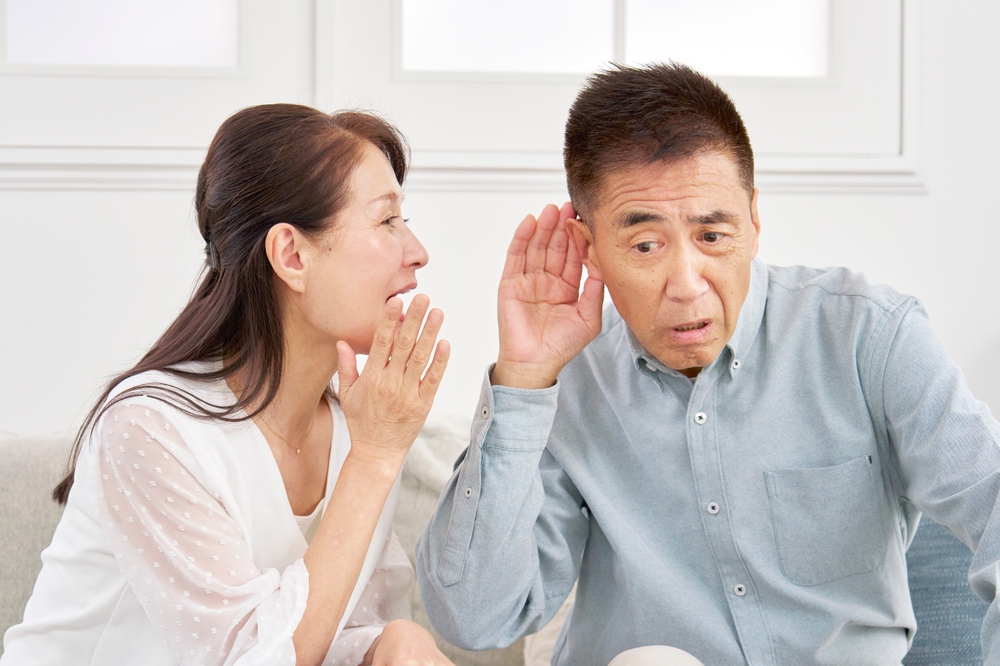
While auditory decline is statistically prevalent, pervasive misconceptions often deter individuals from pursuing clinical intervention. And with hearing loss, getting the right care at the right time is critical. Believing common hearing loss myths can delay diagnosis, impact communication, and reduce your overall quality of life.
Distinguishing audiological reality from fiction empowers patients to make data-driven healthcare choices. Let’s take a closer look at seven hearing loss myths that deserve to be clarified, along with the truths that put them in their place.
Myth One: Auditory Decline is Strictly Age-Related
Although aging affects the ears, hearing loss is not exclusive to the elderly population. Hearing impairment in younger patients is frequently caused by environmental noise, genetic predisposition, or systemic illness.
Assuming hearing loss is only an “aging issue” can prevent people from recognizing early symptoms and seeking appropriate care.
Myth: Hearing Perception Rules Out Impairment
Hearing loss doesn’t have to mean complete deafness. Individuals with moderate deficits may hear volume but lack the clarity required for word discrimination. A broad range of auditory dysfunctions exists between asymptomatic hearing and complete deafness.
Early symptoms frequently manifest as “cocktail party effect” struggles or a need for constant clarification from speakers. Failing to address these subtle changes can lead to long-term communicative difficulties.
Myth Three: The Misconception of Minor Impact
Untreated hearing loss can affect more than just communication. Clinical studies associate untreated impairment with isolation, elevated cortisol levels, and accelerated cognitive decline.
Seeking early treatment safeguards your social connections and your long-term neurological function.
Myth: Amplification Devices Accelerate Ear Damage
There is no clinical evidence to suggest that proper use of hearing aids speeds up auditory decline.
Properly programmed hearing aids pose zero risk of physical damage to the auditory system. These devices use precision digital processing to target frequencies identified in your hearing test. Consistent use of hearing aids maintains the neural pathways required for clear sound interpretation.
5. Myth: Hearing Aids Are Large and Obvious
Recent innovations in hearing science have prioritized both power and miniaturization. Today’s devices are smaller and more powerful than ever. Numerous models—such as Invisible-in-the-Canal (IIC) devices—remain completely hidden during daily use.
Beyond their small profile, these devices feature AI-driven noise cancellation and seamless smartphone integration.
6. Myth: If My Hearing Loss Is Mild, I Don’t Need Treatment
Even mild hearing loss can impact communication and daily life. Early treatment helps prevent listening fatigue and reduces the strain placed on the brain during conversations.
Maintaining communicative fluency is far easier when you address auditory shifts in their infancy.
Myth: One-Size-Fits-All Hearing Solutions Work for Everyone
While some over-the-counter hearing devices may provide basic amplification, they are not customized to your specific hearing profile. Professional diagnostics ensure your hearing solution is “tuned” to your specific environment and biology.
Personalized care makes a significant difference in both comfort and clarity.
Moving Beyond the Myths to Auditory Health
Any change in hearing can feel scary, which is why many people brush it off and delay seeking care. But believing common myths about hearing loss can make symptoms more challenging over time. The good news is that hearing evaluations are simple, painless, and highly informative.
If your ears feel “different,” scheduling a formal evaluation is the responsible next step for your health. Seeking help sooner rather than later preserves both your social life and your neurological sharpness.
If you are ready for a professional assessment, our specialists are standing by to assist. Call us today for a consultation.