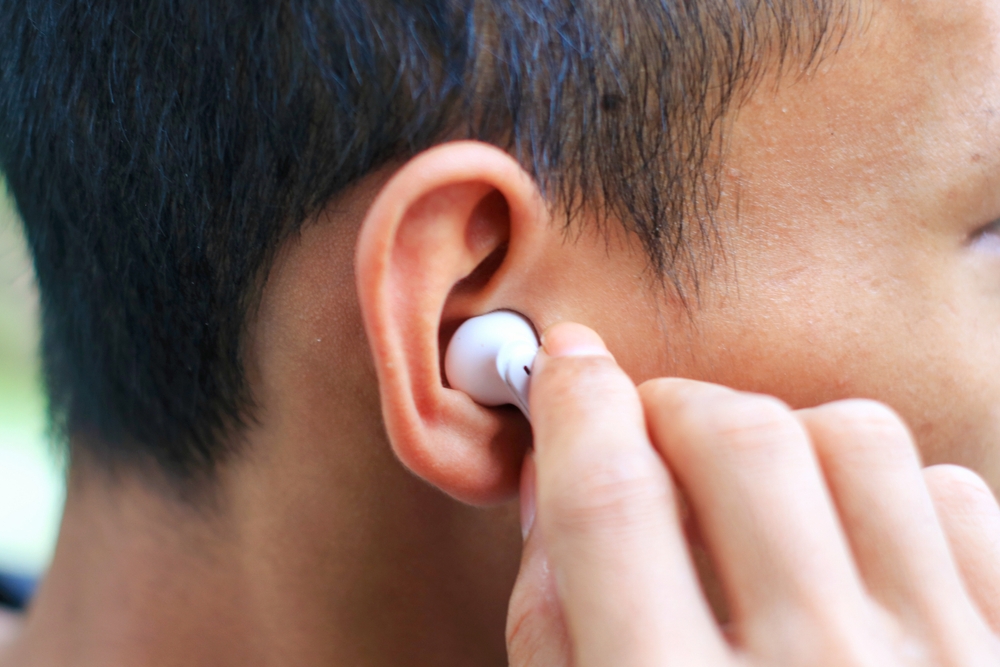
Rarely do we see a young adult in public without an earbud in their ears. Even with their larger footprint, headphones remain a popular choice for teenagers looking to disconnect from the world. We all enjoy listening to music, no matter our age, but younger people rely on music to pass the time. So, can headphones cause hearing loss since they are so close to our ears? The danger is not inherent to the technology but is instead a product of specific usage habits.
The Biological Threshold of Auditory Exposure
The right music can induce a state of relaxation, provide spiritual comfort, or drastically boost energy levels. Depends on the music. Personal audio tech provides a convenient way to consume media without infringing on the silence of those nearby. This is a widely appreciated social habit that helps maintain a respectful atmosphere in shared transport settings.
From an audiological perspective, we must define the specific thresholds for safe volume and exposure duration. In reality, excessive sound pressure is universally hazardous to the delicate structures of the cochlea. Combining high-intensity sound with extended exposure times can lead to permanent sensorineural damage. The onset of **Noise-Induced Hearing Loss** is insidious, meaning significant damage often precedes clinical awareness.
The Key Dangers of Headphones and Earbuds
Sound pressure level is the primary variable in the development of **NIHL**. However, the duration of the exposure matters as much as the volume.
- According to the NIH, maintaining a threshold below 70 dB ensures safety, even during extended listening periods.
- The rate of auditory trauma increases exponentially as the decibel level rises.
- To protect your ears, utilize the 60/60 guideline: never exceed 60% power and rest after 60 minutes of use.
- Taking control of your volume slider and managing your time is the best defense against hearing loss.
Red Flags: When to Suspect Hearing Impairment
If you commonly hear muffled sounds, find it difficult to understand conversations in noisy places, have ringing in your ears (tinnitus), and frequently ask people to repeat what they said or to speak louder, it’s time to have a hearing exam with a professional.
Reach out to our care team immediately if you are concerned about your current hearing sensitivity.