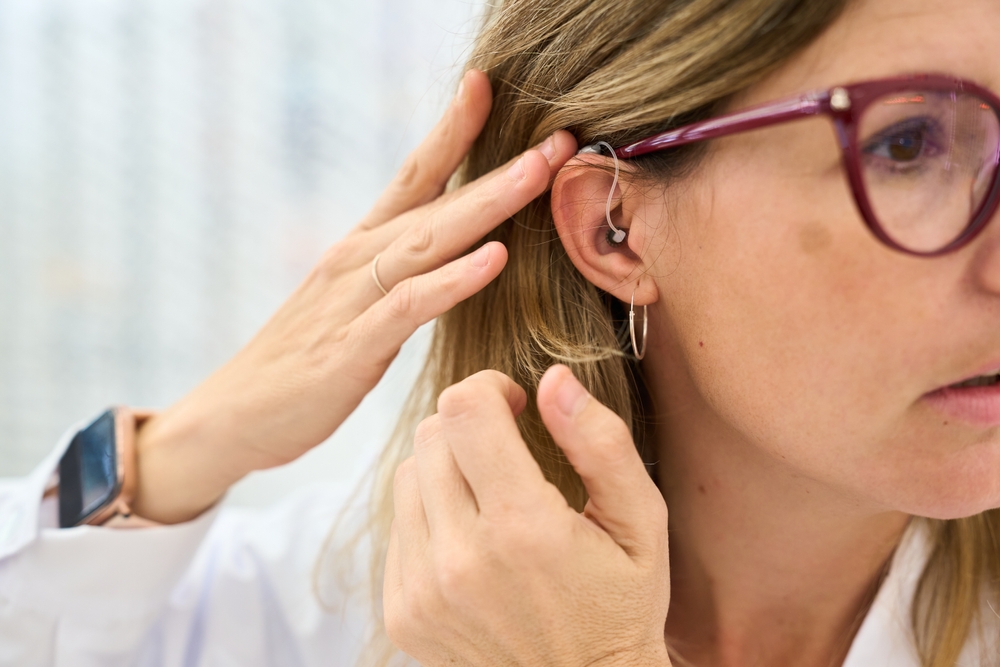
It is incredibly common for individuals to resist getting hearing instruments simply because they dread a bulky appearance or an uncomfortable fit. This hesitation is entirely valid given historical product designs! In some cases, people even worried that they might be left out of conversation altogether by others who assumed they wouldn’t be able to hear or comprehend.
Because this archaic mental image endures, thousands remain deeply reluctant to schedule an initial audiometric evaluation. In reality, the sophisticated hearing instruments of the present era deliver a look and feel that shatters these old assumptions. Ongoing innovations in cosmetic engineering mean today’s options are ultra-small, seamlessly comfortable, and beautifully hidden from public view.
If you’ve been putting off treatment because of how hearing aids used to look, it might be time to take a fresh look at what’s available today!
Dispelling the Myth: Modern Devices Have Transcended Older Styles
When most individuals conjure an image of assistive listening technology, they envision a massive beige plastic chassis hooked over the pinna and obvious to everyone nearby. If that is the visual you hold, you are fundamentally remembering outdated medical equipment from decades past.
Since that era, the manufacturing landscape for hearing solutions has completely transformed. Advances in miniaturization, design, and digital technology have completely reshaped what hearing aids look like today. The resulting devices are beautifully downsized, highly aerodynamic, and built to match lifestyle needs by remaining completely hidden.
Numerous modern instruments are inserted completely within the ear canal structure, rendering them undetectable throughout standard daily dialogue. Alternative styles occupy a tiny footprint behind the pinna, utilizing ultra-light materials and customizable color palettes to match hair or skin tones perfectly.
Primary Hearing Aid Styles, From Invisible to Barely There
If you’re wondering what your main options in hearing aids actually look like, here’s a simple breakdown:
Deep Canal Solutions: Invisible-in-Canal (IIC)
For total subtlety, these instruments have no medical equal. The IIC style fits exclusively within the deep internal canal and is built using a custom impression of the patient’s ear passagographic anatomy. Spoken interactions at arm’s length occur without anyone realizing a medical device is present. They’re a popular choice for people with mild to moderate hearing loss who prioritize subtlety.
Modern Standards: Receiver-in-Canal (RIC) / Receiver-in-the-Ear (RITE)
Statistically, this open-fit design represents the dominant choice among current consumers. The system utilizes an incredibly small housing resting behind the ear, linked by a hair-thin translucent cable to a miniature speaker within the ear pathway. From an aesthetic standpoint, they look very similar to trendy consumer tech or modern bluetooth monitors. The vast majority of peers will fail to perceive the apparatus unless conducting a highly deliberate close-up inspection.
Streamlined Behind-the-Ear (BTE) Systems
These sit fully behind the ear and are slightly larger, but they’re still far more streamlined than older versions. They are typically prescribed to resolve advanced levels of hearing impairment, generating exceptional sound amplification without the cumbersome weight users traditionally dread.
The key takeaway: Today’s discreet hearing aids are designed to fit your life, not announce themselves.
Advanced Features: Beyond Aesthetics to Smart Technology Integration
It is vital to recognize that this technological revolution is not simply a visual upgrade. In the current era, these processors operate like sophisticated wearable computers rather than simple analog sound amplifiers. A vast majority feature native Bluetooth connectivity, enabling seamless, wireless streaming of telephonic communication, media, and television audio directly into your auditory pathway.
Through proprietary mobile apps, patients can effortlessly adjust acoustic thresholds or modify directional settings completely hands-free. If you enter a chaotic, crowded room, you can optimize your digital noise reduction settings to isolate speech within seconds. Advanced rechargeable battery banks have effectively replaced the small, fragile power cells that used to cause immense frustration. Just place them on a charger overnight, like your phone.
Overcoming the Psychological Barriers to Better Hearing
Even with this encouraging information, taking the initial step toward treatment can induce anxiety. Scheduling an appointment can feel like a profound internal challenge because it represents an open admission of sensory alteration. This can make us feel helpless and like we aren’t fully in control of what’s happening to our bodies.
But here’s a different way to look at it: Hearing aids aren’t a sign that something has gone wrong. They are simply tools for managing standard lifecycle changes, which are a normal part of the human experience. Adopting this tech is definitive proof that you are actively taking charge of your health to empower and protect your daily cognitive function.
Imagine wearing a discreet, barely (if at all) visible device and finally being able to follow along in conversation, hear better in crowds, and focus on the things that really interest you. This is the definition of true personal empowerment!
Experience Contemporary Hearing Technology Firsthand
The easiest way to let go of that outdated mental image is to check out for yourself what’s available. We warmly welcome you to tour our practice, consult with our audiologists, and review our product lines with absolutely no financial or purchase obligations. Treat this as a risk-free exploratory step to comprehend the incredible aesthetic shift that has occurred in our field.
Most people leave surprised by how small, comfortable, and natural modern hearing aids have become! Please contact our patient care coordinators or utilize our digital portal to secure your consultation this week.