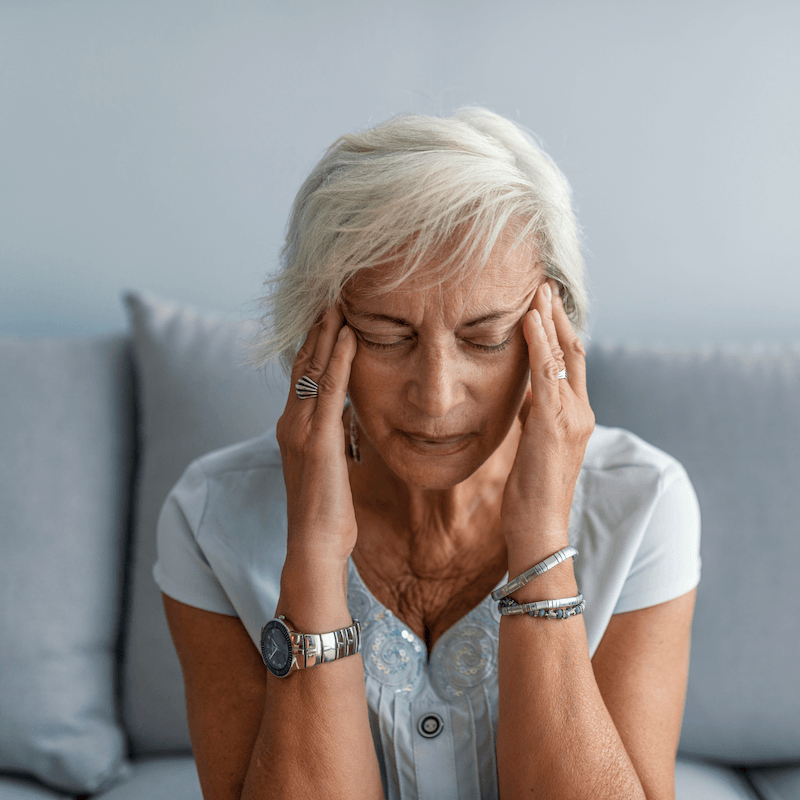
Classic head pain is not present in every migraine variant; specifically, a vestibular migraine disrupts vestibular balance, motion tolerance, and spatial navigation. At our ENT clinic, we investigate recurring dizzy spells to verify whether vestibular migraine or a distinct balance pathology is driving symptoms. Securing effective migraine treatment requires identifying your specific symptom profile and discussing those details thoroughly with your physician.
How Vestibular Migraines Differ From Standard Migraine Episodes
Typical migraine attacks and vestibular migraines share the same neurovascular pathology, but their primary presenting symptoms differ. The hallmark of a typical migraine is moderate to severe unilateral throbbing head pain that intensifies during ordinary physical activities. Symptoms such as nausea, emesis, light and sound sensitivity, and visual aura phenomena frequently coincide with the head pain.
A vestibular migraine primarily manifests as true vertigo, disequilibrium, balance dysfunction, and severe motion sensitivity. Headache may occur, but it is not required during every vestibular episode. Clinical episodes frequently provoke an illusion of environmental rotation, motion-provoked unsteadiness, and visual distress in high-stimulus settings.
Qualifying vestibular events standardly run a time course extending from five minutes to 72 hours. Presentations frequently shift from episode to episode, which can obscure the underlying connection to migraine disease.
What Mechanisms Drive Vestibular Migraine?
There is no single medical pathology identified as the isolated cause of vestibular migraine. The pathology seems to stem from shared central neural networks that process both vascular migraine signals and peripheral balance inputs. Genetic predisposition to migraines combined with a documented history of motion sensitivity markedly heightens susceptibility.
Episodes may be triggered by:
- Irregular resting routines and inadequate nightly sleep
- Irregular nutritional intake, skipped meals, and dehydration
- Emotional stress or recovery after stress
- Menstrual cycle fluctuations or other physiological endocrine changes
- Visually complex settings, flickering light sources, and intense illumination
- Prolonged travel, turbulent physical motion, or rapid digital screen scrolling
- Alcohol or individually identified food triggers
- Weather changes or sensory overload
Detailed Symptom Breakdown: Vestibular vs. Regular Migraine
Classical migraine attacks are readily identified by head pain, but neurological symptoms often extend well beyond local cephalalgia. Patients routinely report nausea, emesis, scintillating visual aura, profound fatigue, cognitive slowing, cervical stiffness, and sensory sensitivities.
Vestibular migraine may include:
- True rotational vertigo or generalized non-rotational vertigo sensations
- Unsteadiness or loss of balance
- Dizziness triggered or aggravated by rapid head turns or tilting
- Motion-induced nausea, motion intolerance, and gastrointestinal upset
- Visual vertigo elicited by moving digital screens, pedestrian crowds, vehicle traffic, or optical patterns
- Illusory sensations of bobbing, swaying, boat-like rocking, floating, or directional pulling
- Heightened photophobia, phonophobia, or generalized visual sensitivity
- Diffuse head pressure, orbital tension, or characteristic throbbing migraine pain
- Temporary ear pressure, fullness, or ringing
Evaluating the timing pattern, episode duration, and specific triggers helps differentiate vestibular migraine from other balance disorders. Sudden dizziness that coincides with motor weakness, limb numbness, difficulty articulating speech, double vision, syncope, or inability to stand requires immediate emergency assessment.
Overlapping Attacks: When Vestibular and Regular Migraines Coincide
Absolutely. A patient can experience debilitating vertigo and a throbbing migraine headache concurrently in the same episode. Vestibular symptoms may precede the headache as an aura, emerge during peak cephalalgia, linger after the pain resolves, or occur during entirely isolated episodes. Many individuals alternate between headache-dominant and balance-dominant presentations over months or decades.
A vestibular episode does not need to include headache to be related to migraine. Maintaining a dedicated symptom journal helps track chronological correlations that are easily overlooked during clinical consultations. Document the timing of vertigo bouts, pain characteristics, sensory hypersensitivity, hormonal cycles, sleep hours, missed meals, prospective triggers, and medication efficacy. Detailed symptom tracking allows your medical provider to conduct a much more precise diagnostic assessment.
Diagnostic Workup and Clinical Criteria for Vestibular Migraines
Diagnosing vestibular migraine cannot be accomplished via a single diagnostic blood test, radiologic scan, or balance assessment. Clinical assessment begins with a meticulous clinical history exploring episode traits and personal migraine patterns with or without aura. International diagnostic criteria standardly require at least five moderate or severe vestibular episodes lasting between five minutes and 72 hours, with classic migraine symptoms during at least 50% of attacks.
We may perform a neurological, eye-movement, ear, hearing, and balance examination. Depending on the symptoms, testing may include an audiogram, positional testing, vestibular studies, or imaging. Such objective tests are crucial to differentiate vestibular migraine from other balance disorders presenting with similar symptoms. A definitive diagnosis of vestibular migraine is rendered only when your clinical pattern fits established criteria and another diagnosis is definitively excluded.
Comprehensive Treatment Approaches for Vestibular Migraines
Therapeutic strategies are carefully customized based on episode frequency, attack intensity, presence of cephalalgia, systemic medical comorbidities, and pharmacological side effects. Patients generally experience the most robust improvement by utilizing both daily prophylactic strategies and targeted abortive medications during flares.
We help build a customized treatment plan, which may include:
- Establishing stable sleep hygiene, consistent meal schedules, optimal hydration, and routine physical conditioning
- Methodically identifying and eliminating confirmed individual triggers
- Integrating mindfulness, cognitive behavioral therapy, or structured stress-reduction techniques
- Medication for nausea or other acute symptoms
- Restricting vestibular suppressants strictly to short-term management during severe vertigo flares
- Preventive medicines such as beta-blockers, calcium channel blockers, topiramate, certain antidepressants, or other migraine therapies
- Dedicated vestibular rehabilitation therapy for managing long-term motion sensitivity, visual vertigo, and imbalance
Prescription vestibular suppressants must be used with caution, as continuous dosing induces significant sedation and inhibits central vestibular compensation. Medication choices should be made with us rather than borrowed from another person’s migraine plan. Achieving optimal symptom control typically demands careful dose titration and continuous symptom tracking over time.
Arrange an Otolaryngology Balance Assessment
If recurring dizzy spells, motion sensitivity, or balance deficits disrupt your daily comfort, contact our practice to schedule a comprehensive evaluation. During your consultation, we examine your migraine background, overall health profile, and personal goals, utilizing targeted diagnostics to differentiate vestibular migraine from BPPV, Ménière’s disease, or alternate balance disorders. Call or message our office today to schedule your comprehensive vestibular migraine consultation.