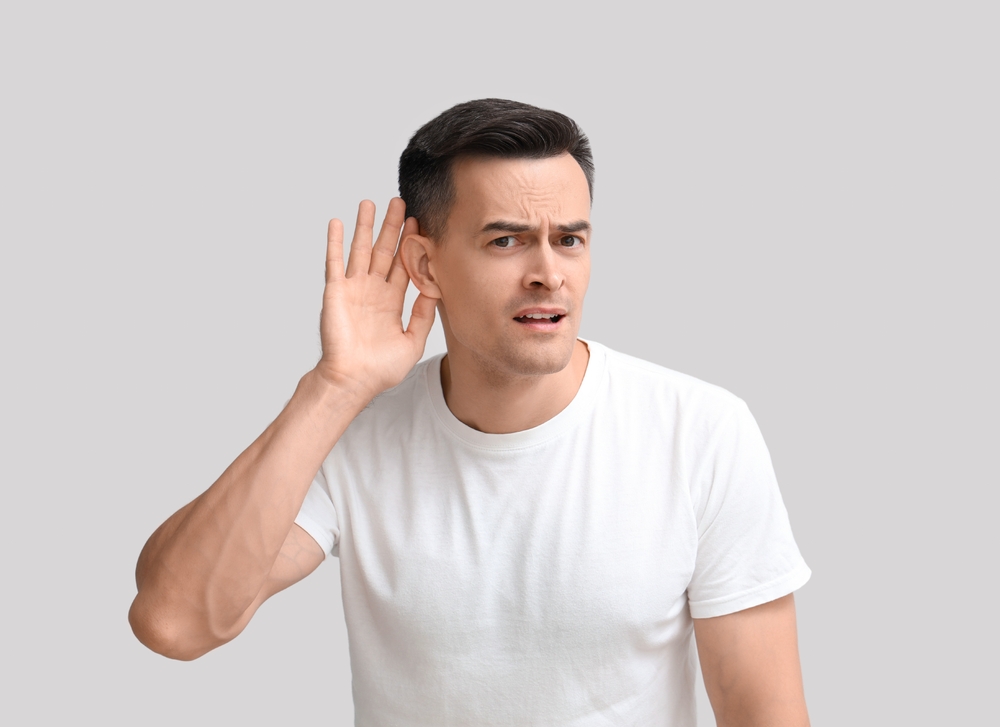
Is it common for you to feel physically and mentally spent after navigating a social environment?
You might initially blame your exhaustion on general tiredness or a busy lifestyle. It is well-documented that social interaction requires significant energy for introverts and those with sensory integration challenges. In many instances, this persistent drain is the result of a condition called auditory fatigue.
Auditory fatigue happens when your brain has to work harder to process sound. When sound clarity is compromised, the brain allocates vast cognitive resources to deciphering muffled or distorted phonemes. This persistent neurological demand inevitably results in deep mental and emotional burnout.
Auditory fatigue is frequently misidentified as standard physical or mental lethargy. This type of burnout often points toward a functional decline in the auditory system. A comprehensive assessment can help determine whether hearing loss is contributing to your symptoms. Should these symptoms persist, it is vital to discuss the possibility of hearing loss with a healthcare professional.
Why Your Brain Suffers from Auditory Fatigue
Several factors can force the brain to work harder during listening, increasing the risk of auditory fatigue.
The Impact of Unmanaged Hearing Loss
Failing to address hearing loss is a major factor in the development of persistent auditory fatigue.
The inability to capture high-frequency sounds forces the brain to work double-time to interpret the message. Relying on context rather than clarity places an unsustainable burden on the brain during everyday conversations.
How Background Noise Triggers Fatigue
Acoustically complex settings serve to intensify the demand on the brain’s filtering systems. Restaurants, meetings, family gatherings, and social events often include background noise competing with speech.
The presence of competing sounds forces the brain’s “noise-cancellation” filters to work at maximum capacity. The resulting cognitive overload is particularly severe for those managing even marginal degrees of hearing loss.
The Role of Tinnitus in Auditory Fatigue
The presence of tinnitus creates a dual-processing burden, forcing the brain to manage both phantom internal signals and legitimate external sound.
When hearing loss causes sound to arrive garbled, the brain must work with higher intensity to extract meaning.
Identifying the Symptoms of Listening Exhaustion
Auditory fatigue can affect both mental focus and overall energy levels. Common signs include:
- Profound mental burnout after speaking with others
- Difficulty concentrating during meetings or group discussions
- Development of “listening headaches” after long social events
- Irritability or frustration in social settings
- Withdrawing from conversations or social events
- Needing a nap or quiet time after social interaction
Should these signs become habitual, they serve as evidence of excessive cognitive load.
Why Hearing Loss Makes Your Brain Work Harder
Clear auditory input allows the brain to interpret sound with virtually no conscious effort. When input is weak, the brain must “steal” processing power from other areas to manage auditory interpretation.
Researchers describe this as increased cognitive load. It involves the brain siphoning energy from memory retrieval and focus to prioritize basic speech understanding. This continuous drain on the brain’s “battery” leads to chronic daily exhaustion. Under these conditions, even brief interactions demand an unnatural level of mental focus.
Diagnosing the Source of Your Fatigue
When fatigue becomes a daily burden, a professional evaluation provides the necessary data for a solution. During a comprehensive hearing test, an audiologist will measure how well you hear different tones and speech sounds. Testing your hearing in a noisy context is vital for identifying the true drivers of your social exhaustion.
A comprehensive hearing test can determine whether hearing loss is contributing to your fatigue and help guide the next steps for treatment. Timely audiological care is the most effective way to halt the progression of auditory fatigue.
Restoring Energy Through Hearing Care
The right hearing treatment acts as a “pressure release valve” for the brain’s processing centers.
Modern hearing aids improve sound clarity by amplifying important speech frequencies and reducing background noise. By delivering a clean signal, these devices eliminate the need for the brain to expend energy on reconstruction.
Once auditory strain is reduced, the following areas often show significant improvement:
- Sustained cognitive stamina during the workday
- Increased attention span during long discussions
- Comfort in social settings
By reducing neural over-exertion, your daily life regains its sense of ease and fluidity.
Is it Time for a Professional Hearing Check?
A professional screening is recommended if you identify with these patterns:
- You experience burnout after standard verbal interaction
- You are increasingly told that you are missing parts of the conversation
- You struggle to follow discussions in noisy environments
- You avoid social situations because listening feels difficult
Early action on hearing impairment is a foundational step in preserving your mental and social health.
FAQs About Auditory Fatigue
Auditory Fatigue vs. Hearing Loss: What’s the Difference?
No. Auditory fatigue refers to the mental exhaustion caused by intense listening effort. That said, hearing loss remains the primary catalyst for chronic listening burnout.
Do Hearing Aids Help with Exhaustion?
Yes. By improving sound clarity and reducing background noise, hearing aids can significantly decrease the mental effort required to understand speech.
Can Auditory Fatigue Be Cured?
Most patients find that their energy returns once the listening “gap” is closed with technology.
Stop Feeling Drained After Conversations
It is not “normal” to be wiped out by a simple talk with a friend. If listening leaves you mentally drained, your ears and brain may be working harder than they should.
Take the first step toward social ease by reaching out for a professional evaluation. Reclaim your social life and your energy by getting the truth about your auditory health today.